WSNC nutrition education
Ski Season Nutrition: Food, Hydration and Bone Health
Preparing for ski season means more than checking equipment. Review the everyday routine that will accompany training, travel and long days away from your normal kitchen. Food access, hydration and questions about bone and muscle nutrition deserve separate attention. Supplements cannot replace conditioning, appropriate instruction or safe mountain decisions.
Explore Bone, Joint & Muscle →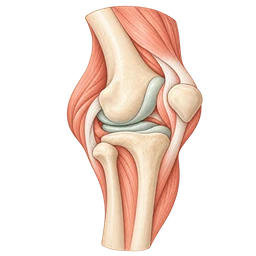
Start before the first mountain day
Look at the weeks leading up to your trip. Write down the activity you already do, meal patterns and any dietary restrictions. If you want individualized training or nutrition advice, have that conversation before departure rather than buying several unfamiliar products on the way to the mountain.
For the ski day itself, plan food breaks, transport and access to drinks. A lodge lunch, a packed day bag and a remote tour present different practical constraints. Build your packing around the actual itinerary rather than assuming every winter sports product is relevant.
Separate calcium and vitamin D questions
Calcium and vitamin D have roles in bone health, but that does not make an extra supplement a ski-injury prevention strategy. Review food intake and what your current products already contain. Then use the focused ingredient guides to understand amounts and formula differences.
References: NIH ODS: Calcium · NIH ODS: Vitamin D
Check the drink label as well as your gear
Winter clothing and a cold setting do not remove the need to think about food and fluids. Review how you will carry drinks and what the product directions require. If considering an electrolyte formula, compare the actual sodium and other declared ingredients rather than treating any mineral product as a sports drink.
Keep travel storage instructions available. Check whether a powder can be prepared as directed with the equipment and water access you will actually have. A product that is convenient at home may be awkward to use on a mountain day.
Compare calcium formats without a winter-performance promise
Calcium Lactate and Calcium Lactate Powder provide two concrete records for comparing format, serving instructions and declared amounts. Read the complete labels and consider what you already obtain from food and other products.
These examples are not a preseason prescription or an assertion of injury prevention. Your own nutritional circumstances, medicines and health history determine which questions to bring to your practitioner. Keep the supplement decision separate from conditioning and mountain safety.
| Product | Listing focus | Declared formula in brief | Label directions |
|---|---|---|---|
| Calcium LactateView product →Standard Process | A vegan, non-dairy calcium-and-magnesium formula supporting healthy bone structure, muscle contraction, nerve transmission and cellular function.* | Three tablets provide calcium from calcium lactate and calcium stearate plus magnesium from magnesium citrate. | Three tablets per day, or as directed by your healthcare practitioner.Full ingredients and cautions → |
| Calcium Lactate PowderView product →Standard Process | Supports absorption of calcium and magnesium* | Each Serving Size (1 level tablespoon) contains: Calories 20, Total Carbohydrate 5 g, Calcium 800 mg, Magnesium 160 mg. Ingredients: Calcium lactate and magnesium citrate. | One level tablespoon per day, or as directed. Mixes best with hot, slightly acidic liquids, such as hot apple juice.Full ingredients and cautions → |
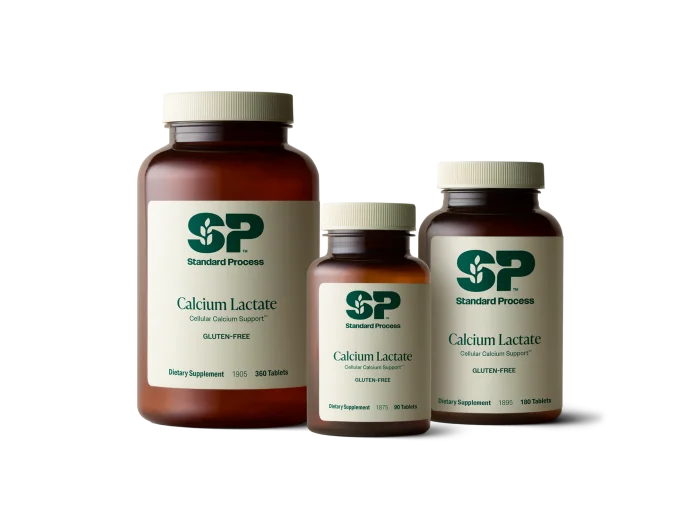
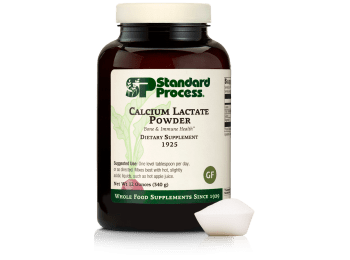
Calcium Lactate
Review the complete recorded formula, serving directions and cautions. This example is a label comparison, not a recommendation or a promise of an activity-specific benefit.
View complete ingredients, cautions and sizes →Buy Calcium Lactate through WSNC inSITE ↗Calcium Lactate Powder
Review the complete recorded formula, serving directions and cautions. This example is a label comparison, not a recommendation or a promise of an activity-specific benefit.
View complete ingredients, cautions and sizes →Buy Calcium Lactate Powder through WSNC inSITE ↗Common questions
Can a supplement prevent a skiing injury?
Do not rely on a supplement as an injury-prevention strategy. Conditioning, equipment, instruction, conditions and individual clinical advice require their own attention.
Should every skier take vitamin D?
A ski trip alone does not establish a need for extra vitamin D. Review intake and individual circumstances with an appropriate healthcare professional.
Evidence and product information sources
Educational references explain nutrition and evidence limits; they do not endorse WSNC or the products shown. Product comparisons use the existing catalog records. Confirm the current manufacturer label, selected package, complete directions and cautions before ordering.
Prepare a practitioner conversation →