WSNC nutrition education
Supplements for Bone Health: A Practical Comparison Guide
Comparing supplements for bone health starts with understanding your dietary intake and the role of each nutrient. Calcium, vitamin D and magnesium appear in different types of formulas, and a large bottle or a familiar product name cannot tell you whether a particular choice fits your needs. This guide connects food, nutrient labels and Standard Process product examples. It also separates bone nutrition from joint comfort and muscle recovery, so you can ask a clearer question before choosing a supplement or combining several products.
Explore Bone, Joint & Muscle →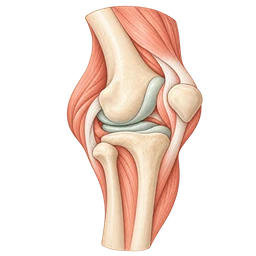
Begin with bone nutrition rather than a product stack
Bones are living tissue, and maintaining them involves more than finding a product with the word bone on the label. Food, activity, health history and appropriate medical care all contribute to the picture. Start by identifying the question you are trying to answer: a dietary gap, a nutrient label, an existing recommendation from your clinician, or a concern that needs assessment.
A supplement comparison cannot establish your bone density or fracture risk. It can help you organize ingredient and serving information for a more useful conversation. If you have a diagnosed bone condition or have been advised to use a particular treatment, keep that care plan at the center of the discussion rather than treating a retail comparison as a replacement.
References: NIH NIAMS: Calcium, vitamin D and bone health
Estimate dietary intake before comparing additional calcium
Consider the foods and drinks you consume regularly, including fortified products. Different eating patterns can provide calcium through different sources. A few days of notes may give your clinician a clearer picture than a simple statement that you eat well or avoid dairy. Include portion sizes and the labeled nutrient content of fortified foods when you have it.
Then account for calcium already present in a multivitamin, powder or combination formula. The question is the amount needed to fill a particular gap, not the largest amount available in one bottle. This is also why two people of a similar age may receive different advice. Their usual intake, health circumstances and existing supplement routines can be different.
References: NIH ODS: Calcium · NIH NIAMS: Calcium, vitamin D and bone health
Read the declared calcium amount and serving together
A calcium compound name and the quantity of calcium declared in Supplement Facts are different pieces of information. Begin with the nutrient amount per labeled serving, then check how many tablets or how much powder that serving represents. Comparing one tablet of one product with an entire serving of another can produce a misleading conclusion.
Use the form name to guide further questions about directions, tolerability and practical use. It does not by itself establish which product is best for you. If you are comparing a powder and a tablet, read their separate instructions and measuring units. Do not assume that a scoop, teaspoon and tablet can be converted between formulas without manufacturer information.
References: NIH ODS: Calcium
Understand how vitamin D fits the comparison
Vitamin D helps the body absorb calcium, but adding more of either nutrient is not automatically a better plan. Review what is already in your diet and supplement routine, and ask whether testing or an individual recommendation is appropriate for your circumstances. A nutrient’s normal role in the body is different from evidence that an extra amount will improve a particular person’s outcome.
When reading vitamin D labels, keep units and serving sizes consistent. Look at the complete product rather than assuming that every bone formula contains the same nutrients in the same amounts. A single-nutrient supplement and a multi-ingredient blend can address different comparison questions. Their names do not establish a reason to use both.
References: NIH ODS: Vitamin D · NIH NIAMS: Calcium, vitamin D and bone health
Put magnesium and additional ingredients in context
Magnesium participates in normal body functions and is relevant to a broader nutrition discussion. However, the presence of magnesium in a bone-related product does not make every magnesium formula an equivalent bone-health intervention. Compare the declared amount, form, full ingredient list and directions. Review what is already supplied by other products before adding a second source.
The same careful approach applies to additional vitamins, herbs and food ingredients. A long list can make a label look comprehensive without answering whether a particular preparation was studied for your question. Ask what is known about the nutrient or ingredient, what is known about the finished formula, and where the evidence is uncertain. Those distinctions are more useful than ranking products by ingredient count.
References: NIH ODS: Magnesium · FDA: Information for supplement consumers
Separate bone, joint and muscle goals
Our broader collection includes bone, joint, connective-tissue and muscle products. That organization helps you explore related interests, but it does not make the products interchangeable. A joint-comfort formula, a mineral supplement and an enzyme blend can have very different ingredient statements and intended uses. Match the comparison to your actual question.
If your main concern is pain, loss of function, an injury or a fracture, a product-category label cannot identify the cause. Ask for an appropriate assessment. For a nutrition question, focus on the nutrients and label facts relevant to that question. The four examples below stay with mineral, food-formula and vitamin comparisons rather than treating every product in the broad collection as a bone recommendation.
References: NIH NIAMS: Calcium, vitamin D and bone health · FDA: Information for supplement consumers
Compare four different label approaches
These Standard Process examples are a starting point for reading labels, not a four-product prescription. Calcium Lactate, Calcifood, Cataplex D and Magnesium Lactate each retain their own complete records, directions and cautions. Their inclusion does not establish equal effects or a need to take them together.
Open the product page before making a detailed comparison. Review its declared amounts, complete ingredients, dietary information and selected package, then bring unresolved questions to your practitioner. A broad educational guide should make those next steps easier while preserving the details that belong to the specific product.
| Product | Listing focus | Declared formula in brief | Label directions |
|---|---|---|---|
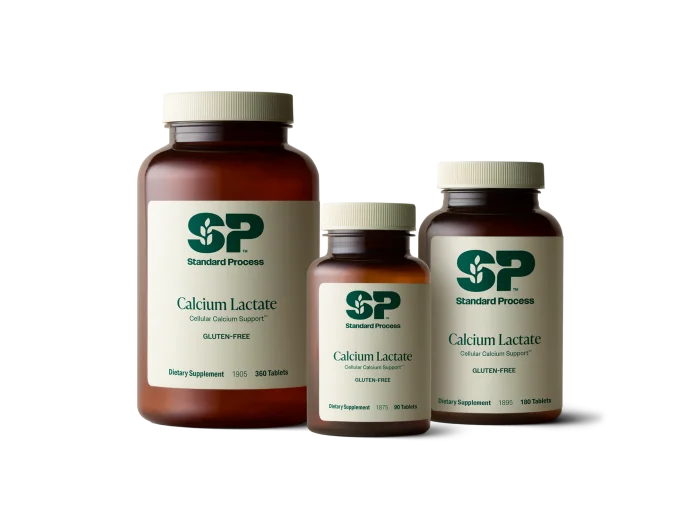
| Calcium LactateView product →Standard Process | A vegan, non-dairy calcium-and-magnesium formula supporting healthy bone structure, muscle contraction, nerve transmission and cellular function.* | Three tablets provide calcium from calcium lactate and calcium stearate plus magnesium from magnesium citrate. | Three tablets per day, or as directed by your healthcare practitioner.Full ingredients and cautions → |
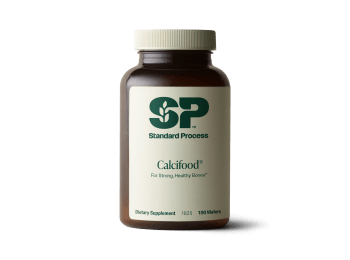
| Calcifood®View product →Standard Process | Helps the body build strong, healthy bones* | Three wafers declare calcium 290 mg, phosphorus 80 mg and a 1,325 mg blend with veal bone, wheat germ, date, carrot and rice bran. Other ingredients include bovine bone and honey. Contains wheat. Chew then swallow; the powder has a different calcium amount and serving. | Three wafers per day, with a meal, or as directed. This product should be chewed then swallowed.Full ingredients and cautions → |
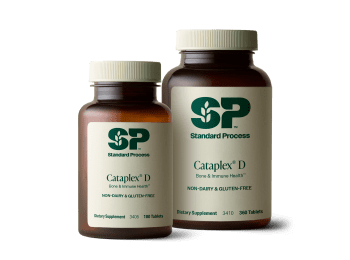
| Cataplex® DView product →Standard Process | Supports bone health, mineral absorption and immune system* | Per two tablets: vitamin A 300 mcg RAE, vitamin D 40 mcg and calcium 60 mg. Current ingredients: calcium lactate, potassium citrate, glycerine, acacia fiber, modified corn starch, sucrose, calcium stearate, vitamin A palmitate, ascorbic acid and cholecalciferol. | Two tablets daily, or as directed.Full ingredients and cautions → |
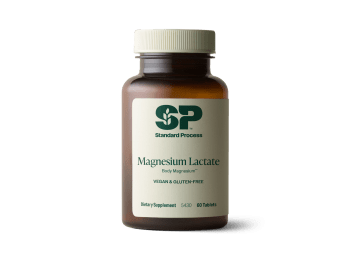
| Magnesium LactateView product →Standard Process | Magnesium Lactate delivers essential magnesium for system-wide cellular function* | Each Serving Size (2 Tablets) contains: Calories 10, Total Carbohydrate 1 g, Magnesium 200 mg. Ingredients: Magnesium lactate and calcium stearate. | Two tablets per day, or as directed.Full ingredients and cautions → |
Calcium Lactate
Calcium Lactate is a useful starting point for checking the declared calcium amount against the labeled serving. Review how many tablets make up that serving and consider calcium already present in your food and other supplements. Its complete product record supplies the ingredient and direction details needed for a fair comparison. A calcium-form name alone does not establish the amount you personally need, and the selected bottle size should not be confused with a serving recommendation.
View complete ingredients, cautions and sizes →Buy Calcium Lactate through WSNC inSITE ↗Calcifood®
Calcifood offers a separate formula comparison from Calcium Lactate. Read its own ingredient statement, declared nutrient information and serving instructions rather than assuming that two bone-related listings contain equivalent amounts. Pay attention to food or animal-derived ingredients when those details matter to your dietary requirements. Use the complete record to identify what is actually declared and what questions remain. The product name does not provide a conversion rule between this formula and another calcium product.
View complete ingredients, cautions and sizes →Buy Calcifood® through WSNC inSITE ↗Cataplex® D
Cataplex D belongs in a vitamin D label discussion. Check the recorded nutrient amount and serving in its own product page, then review vitamin D supplied by other products you use. It should not be treated as an automatic addition to every calcium formula. Individual advice may depend on your overall intake and health circumstances. Keep the distinction between vitamin D’s normal nutritional role and evidence for a finished product’s effect clear when reading educational material.
View complete ingredients, cautions and sizes →Buy Cataplex® D through WSNC inSITE ↗Magnesium Lactate
Magnesium Lactate illustrates a magnesium-specific label comparison. Look at the declared magnesium amount per serving, the form, directions and complete cautions. Then compare it with other products in your routine that already contain magnesium. Its presence in this guide does not establish that it replaces a calcium product or that everyone researching bone health needs an additional magnesium supplement. The most useful comparison connects a specific nutritional question with the exact product record.
View complete ingredients, cautions and sizes →Buy Magnesium Lactate through WSNC inSITE ↗References: FDA: Information for supplement consumers
Choose a routine you can understand and review
A useful routine is one you can describe accurately. Record the product name, selected version, labeled serving and actual frequency of use. Keep that list with your medicines and other supplements. This makes overlapping ingredients easier to spot and helps your clinician understand what you are really taking.
Practical considerations matter too. Think about tablets versus powders, the instructions you can follow consistently and how you will measure a serving. If a product causes a problem or does not fit your routine, ask for guidance rather than improvising a conversion to another formula. Bone health after 50 introduces additional age-related questions, which are covered in the separate guide linked below.
References: FDA: Information for supplement consumers · NIH NIAMS: Calcium, vitamin D and bone health
Questions to discuss before choosing a supplement
What are the best supplements for bone health?
The appropriate choice depends on dietary intake, existing supplements and individual circumstances. Calcium and vitamin D are important nutrients; their roles do not establish that every person needs supplemental amounts of both. Review your overall intake and the exact label. A general guide can help you compare products, while your healthcare professional can advise on personal needs, bone concerns and treatment.
Do I need to take calcium and vitamin D together?
Their nutritional roles are related, but your routine should account for what food and current products already supply. A combination formula and two separate products can provide different amounts and instructions. Review the total rather than assuming that every person needs a particular pair. Testing and individual advice may be relevant to the vitamin D question.
Is a whole-food formula the same as an isolated mineral supplement?
Read the complete ingredient statement and declared nutrient information. A food-based blend and a nutrient-focused supplement can differ in composition, serving and dietary fit. Neither a brand name nor a broad whole-food description establishes that their amounts or effects are equivalent. Compare the actual formula and the nutritional question it is intended to help you explore.
Are bone and joint supplements interchangeable?
A shared collection page does not make them interchangeable. Bone nutrition, joint comfort, connective-tissue support and muscle recovery can involve different formulas and evidence questions. Use the specific label and the purpose of your search to narrow the comparison. Pain, injury or loss of function also deserves assessment rather than selection solely by a product-category name.
Can I use these products instead of osteoporosis treatment?
This guide does not advise replacing prescribed treatment. Supplements may be part of an individual nutrition plan, but a diagnosed bone condition needs appropriate clinical management. Bring the exact labels and your full routine to the clinician managing that care. Do not use the presence of a nutrient in a product as evidence that it replaces a prescribed medicine.
Where should I start if I am over 50?
Use the separate Bone Health After 50 guide to organize age-related questions about food intake, activity, medicines and an existing supplement routine. Then return to the ingredient guides for detailed label comparisons. Age is one part of the decision; it does not establish the same nutritional gap or product choice for every person.
Evidence and product information sources
- NIH NIAMS: Calcium, vitamin D and bone health ↗
- NIH ODS: Calcium ↗
- NIH ODS: Vitamin D ↗
- NIH ODS: Magnesium ↗
- FDA: Information for supplement consumers ↗
Educational references explain nutrition and evidence limits; they do not endorse WSNC or the products shown. Product comparisons use the existing catalog records. Confirm the current manufacturer label, selected package, complete directions and cautions before ordering.
Prepare a practitioner conversation →